
AI Application Observability and Debugging
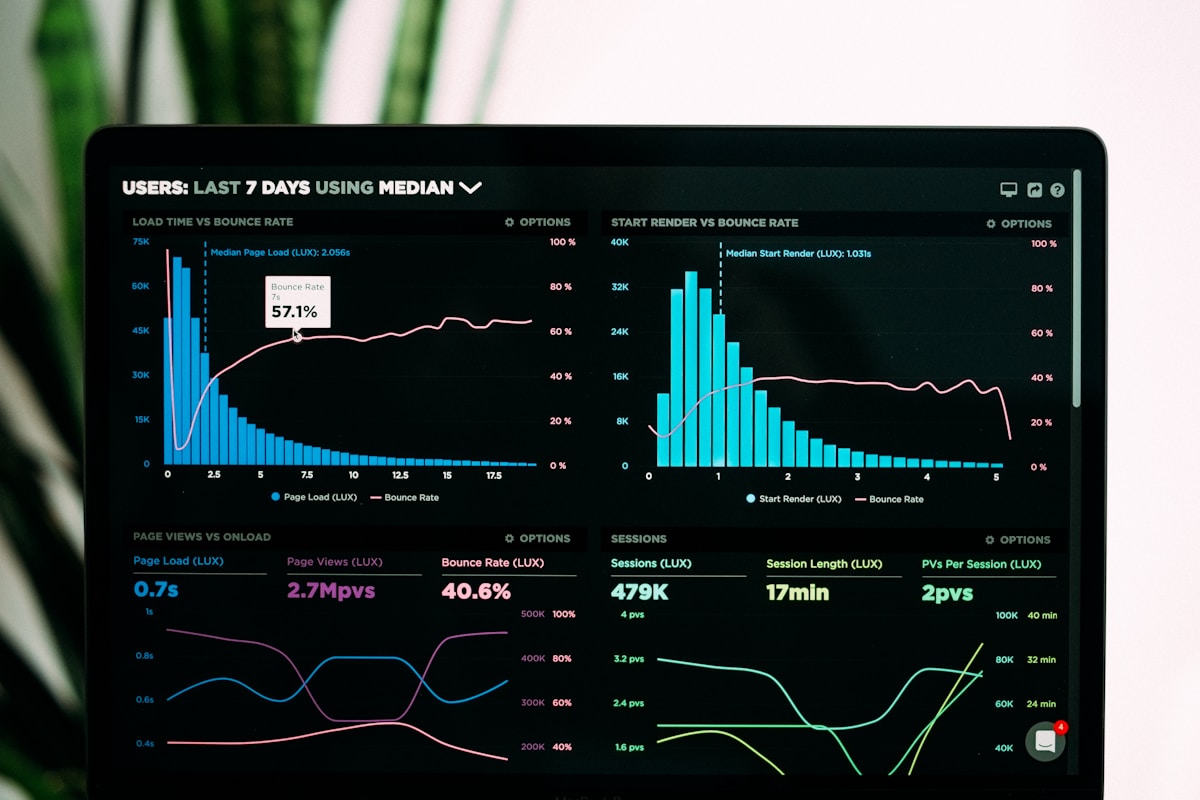
Debugging AI apps is challenging—non-deterministic outputs, complex chains, and opaque model reasoning. This guide covers observability tools and debugging methodologies to troubleshoot AI applications effectively.
What to Log
Essential Logging
- • Full prompt sent to LLM (input + system + context)
- • Complete model response (before any filtering)
- • Tool calls made (function name, parameters, results)
- • Latency for each step
- • Cost per request
- • User feedback (thumbs up/down)
Distributed Tracing
Follow request through entire system:
LLM Call Inspector
Debug Interface
Replay and Testing
Reproduce issues by replaying exact conditions:
- • Store full request context
- • Replay with same prompt/tools/state
- • Compare outputs across replays
- • Test fixes before deploying
Common Debugging Scenarios
Issue: Agent gives wrong answers
Check: Prompt clarity, retrieved context relevance, model temperature
Issue: Slow responses
Check: Token count, tool call latency, database queries
Issue: High costs
Check: Context size, model choice, cache hit rate
Conclusion
Observability is critical for production AI apps. Implement comprehensive logging, distributed tracing, and replay capabilities to debug issues quickly and improve your AI systems continuously.
Related Articles
Explore related topics and resources on the 1C Platform.
AI Accountability: Who's Responsible When Agents Make Mistakes?
Exploring accountability frameworks for autonomous AI systems. Legal liability, organizational respo
Designing AI Agent Personas: Character and Voice Guidelines
Create compelling AI agent personalities. Persona development, voice design, tone guidelines, and ch
AI Audit Frameworks: Ensuring Accountability in Autonomous Systems
How to audit autonomous AI agents for performance, compliance, and ethical behavior. Frameworks, che
Overcoming Challenges in AI Autonomy: Risk, Trust, and Control
Navigate the key challenges of deploying autonomous AI. Risk management, building trust, maintaining