
Observability for Agentic AI: Monitoring Autonomous Agents in Production
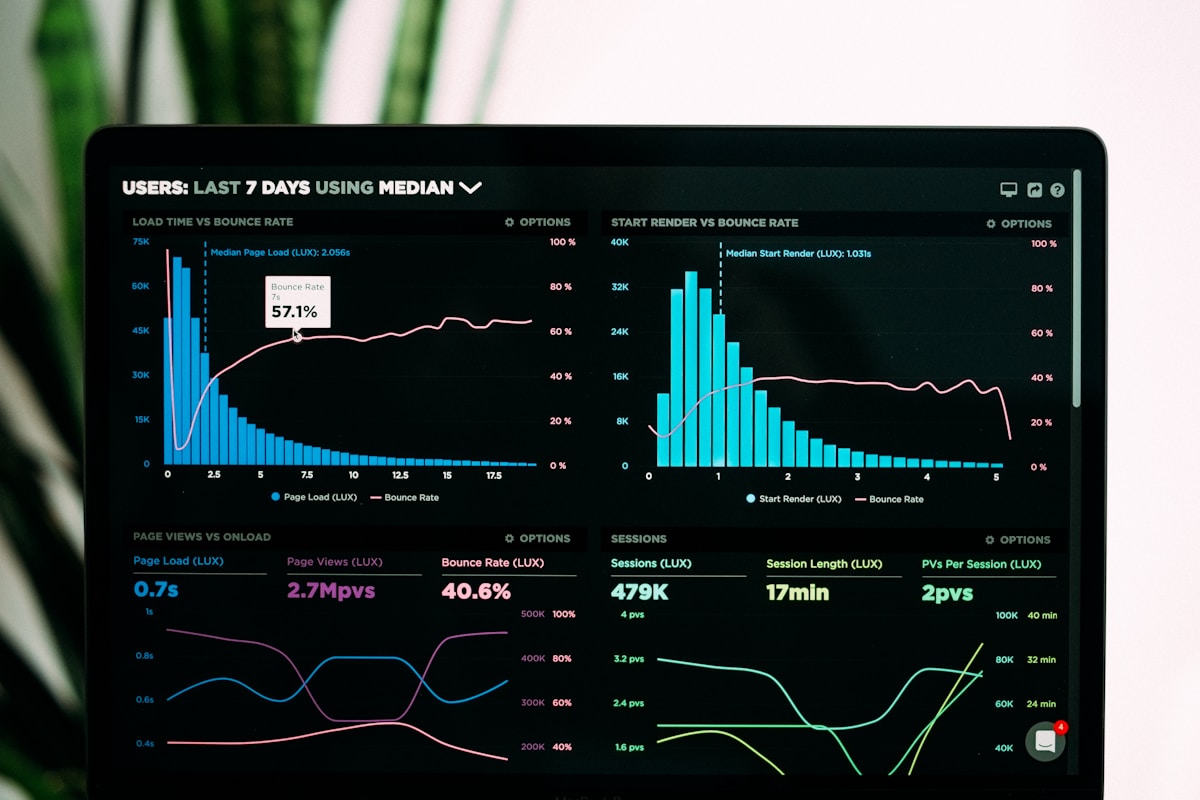
Observability is the discipline of understanding system behavior from the outside. For agentic AI, it means tracking not just whether agents ran, but what they thought, what they decided, and why. From agentic AI platforms to cloud platform infrastructure, observability is the lens that transforms black-box autonomy into transparent, debuggable, and improvable systems.
What Is AI Observability?
AI observability extends traditional software observability—logs, metrics, traces—to cover the unique behaviors of LLM-powered agents. It captures prompt-response pairs, tool-call sequences, token usage, latency distributions, and decision rationales. The goal is to answer four questions at any moment: What did the agent do? Why did it do it? Was the outcome correct? And how can we improve it?
The Three Pillars of Agent Observability
Logging
Structured logs of every prompt, tool call, and response with timestamps and correlation IDs.
Tracing
Distributed traces that follow a single request through every agent step, tool call, and model invocation.
Metrics
Aggregate statistics on token usage, latency, error rates, and task completion rates over time.
Metrics That Matter for Autonomous Agents
Not all metrics are equally useful. For agent systems, focus on these categories:
- Task success rate: Percentage of agent runs that complete the user's goal without human intervention.
- Step efficiency: Average number of tool calls or reasoning steps needed to complete a task.
- Token economics: Cost per task, tokens consumed per step, and ratio of input to output tokens.
- Latency percentiles: p50, p95, and p99 response times to understand tail behavior.
- Hallucination rate: Frequency of fabricated tool names, parameters, or facts—tracked via automated evaluation pipelines.
Distributed Tracing for Agent Workflows
A single agent request may trigger dozens of internal steps: planning, tool selection, API calls, response parsing, and validation. Distributed tracing links these steps into a single timeline, making it possible to identify exactly where latency is introduced or where errors originate. Each trace should carry a correlation ID that ties logs, metrics, and user feedback together.
Debugging Agent Behavior
When an agent produces an unexpected result, observability tools let you replay the exact prompt, context, and tool sequence that led to the output. This replay capability is essential for root-cause analysis and for building regression tests that prevent the same issue from recurring.
Tools and Frameworks
The observability landscape for AI is maturing rapidly. Open-source tools like LangSmith, Phoenix, and OpenTelemetry provide tracing and evaluation. Commercial platforms like Datadog and New Relic are adding AI-specific dashboards. The key is to instrument your agents early—even a simple structured logging layer pays dividends when production issues arise.